Guest Poster: Robert Bevan
On: Writing What You Want To Read,Self-Confidence, and
Taking Criticism.
Warning:
Guest poster cussage.
So I was
telling my good friend, beta partner, and author of the comic fantasy Critical Failures, Robert Bevan, that he should write a
guest post for my writery blog. Now, let me infodump a mo here. Bobby and I
have been friends for... a year now? Seems like more than a year. A few days
ago, I was remembering how we first met and realized that beginning had a
valuable message. So I said to Bobby, "Bobby, how did it feel when you
first had the idea for CF?"
Robert Bevan:
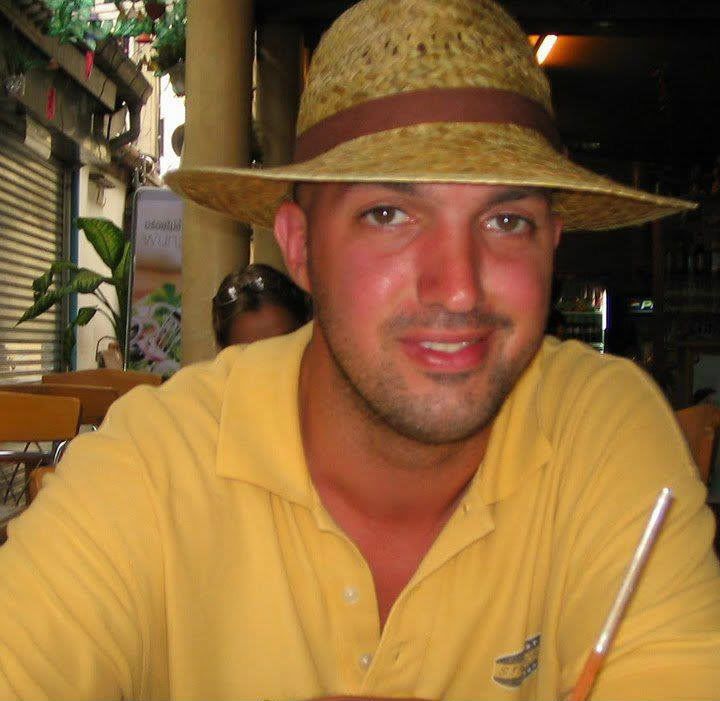
I first had the idea
for Critical Failures while I was getting toward the end of an
entirely unrelated novel that wasn't really falling into place like I thought
it would.
 The climactic scene I was writing involved my characters being forced
to act stupid in order for my own clever ideas to be implemented (hint: don't
do that). And then I had a bunch of boring backstory I still had to dump on the
reader in a Scooby-Doo-esque explanatory ending in order for a lot of things in
the book to make sense in retrospect (hint: don't do that).
The climactic scene I was writing involved my characters being forced
to act stupid in order for my own clever ideas to be implemented (hint: don't
do that). And then I had a bunch of boring backstory I still had to dump on the
reader in a Scooby-Doo-esque explanatory ending in order for a lot of things in
the book to make sense in retrospect (hint: don't do that).
But I'd gotten that far, and I'd be damned if I was going to just abandon it unfinished to start up something new. If I let myself get away with that, I might never finish anything. So I rushed through a shitty ending and then abandoned it so I could start on the then yet-to-be-titled Critical Failures.
The climactic scene I was writing involved my characters being forced
to act stupid in order for my own clever ideas to be implemented (hint: don't
do that). And then I had a bunch of boring backstory I still had to dump on the
reader in a Scooby-Doo-esque explanatory ending in order for a lot of things in
the book to make sense in retrospect (hint: don't do that). But I'd gotten that far, and I'd be damned if I was going to just abandon it unfinished to start up something new. If I let myself get away with that, I might never finish anything. So I rushed through a shitty ending and then abandoned it so I could start on the then yet-to-be-titled Critical Failures.
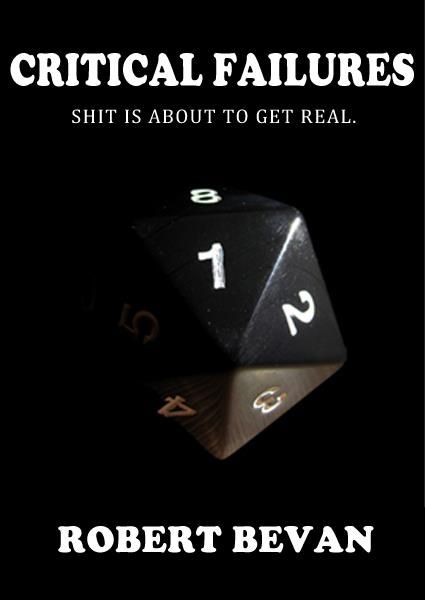 The bare-bones premise actually sounds kind of lame when I
tell other people about it. A group of guys get transported into the world of
their fantasy roleplaying game. For every person who was intrigued by that last sentence,
another six people just went back to watching porn.
The bare-bones premise actually sounds kind of lame when I
tell other people about it. A group of guys get transported into the world of
their fantasy roleplaying game. For every person who was intrigued by that last sentence,
another six people just went back to watching porn.
I got the same reaction when I told people what I was
writing while I was writing it. "That sounds a lot like the old Dungeons
and Dragons cartoon," they'd say. Yeah? Well it's nothing fucking like that.
So what do you do when you tell people about what you're writing and their eyes glaze over,
or they actually come right out and criticize your idea. ("That's been
done before." "So you're just writing out your D&D
adventure?" "Stop licking me.") First and foremost, you
should be doing more writing and less talking about it.
But you're excited about it, and writing a novel is a hard,
lonely road. I get that. Sometimes you're going to want to talk about it.
So what do you do about the people who are obviously faking
enthusiasm until they can find an escape from the conversation? You learn to
pick up on that and then try to help them find their exit. They don't want to
listen to you, and so you're not going to get anything useful out of them.
Hopefully you'll run
into some people who are genuinely excited by your idea and gush about it. You
don't really need advice for that; you know exactly what to do. Bask in
that shit.
 That leaves you with the people who are paying attention,
but just aren't too keen on the idea for whatever reason... hopefully a reason
which they will share with you. People
who are willing to give you legitimate criticism, be it for your idea about
your book, or any aspect of your life, are well worth listening to... at least
initially. Take the criticism graciously, consider it thoroughly, and either
accept or reject it.
That leaves you with the people who are paying attention,
but just aren't too keen on the idea for whatever reason... hopefully a reason
which they will share with you. People
who are willing to give you legitimate criticism, be it for your idea about
your book, or any aspect of your life, are well worth listening to... at least
initially. Take the criticism graciously, consider it thoroughly, and either
accept or reject it.
For example, rejecting most of the initial criticism for my
book's premise was easy, because I knew why people were criticizing it, and I
knew that they were wrong in their preconceptions of what it was going to be.
They fell mainly into two camps. People who thought I was trying to rewrite
the old Dungeons and Dragons cartoon, and people who thought I was simply
narrating the D&D adventure that I was currently playing with my friends. I
was doing neither of these things.
 But don't let seemingly easy rejections go entirely
unexplored. Rejecting Joan's advice to change the POV on my completed first
draft manuscript from omni to limited third person seemed like a no-brainer.
First of all, I thought it sounded just fine as it was. Secondly, fuck no! That's a shit ton of work to do. But
she talked me into it, and it was, of course, the right thing to do.
But don't let seemingly easy rejections go entirely
unexplored. Rejecting Joan's advice to change the POV on my completed first
draft manuscript from omni to limited third person seemed like a no-brainer.
First of all, I thought it sounded just fine as it was. Secondly, fuck no! That's a shit ton of work to do. But
she talked me into it, and it was, of course, the right thing to do.
And hell, even
if your idea is lame, keep writing it anyway... at least until an idea comes
along that you're absolutely one hundred percent certain you want to abandon
your current project for. Writing something shitty is better than writing
nothing. You've got to pound out some shit before you write something good
anyway. Also, when you're typing through your lame shitty idea, you might be surprised at how often
your characters will take the wheel and do something entirely unexpected and
cool. In the end, you might find you have something worth salvaging.
Keep writing.
Thank you, Mr. Bevan. -J
Robert Bevan can be contacted via Twitter and Facebook. His books and short stories can be found on Amazon.
Critical Failures
"Cave of the Kobolds"
"ZOMBIE ATTACK!!!"
Next week: "In-spuh-ray-shun."
Thank you, Mr. Bevan. -J
Robert Bevan can be contacted via Twitter and Facebook. His books and short stories can be found on Amazon.
Critical Failures
"Cave of the Kobolds"
"ZOMBIE ATTACK!!!"
Next week: "In-spuh-ray-shun."
